
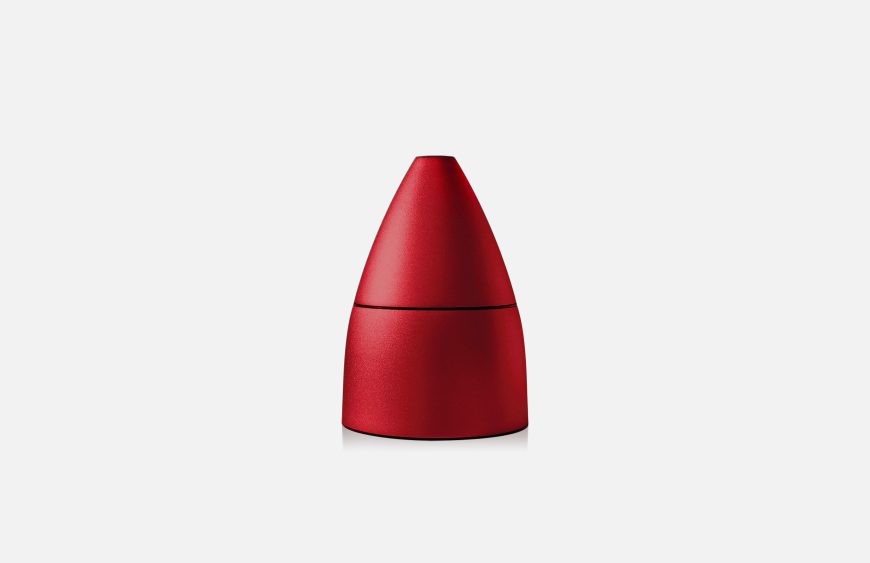
In most Saudi homes, fragrance is not a finishing touch — it is part of the welcome. The mabkhara comes out before guests arrive, and the scent of bakhoor reaches the door before anyone says a word. So when people ask whether a modern diffuser can replace bakhoor, the honest answer is that it usually is not a replacement at all. The two do different jobs. This guide explains what each one is actually for, and how to combine them.
What are bakhoor and oud?
Oud is the resinous oil produced by agarwood trees. It is dense, expensive, and most often worn as a personal fragrance rather than used to scent a room.
Bakhoor is different. It is wood chips — usually agarwood — soaked in fragrant oils and blended with resin, sandalwood, rose, amber or musk. Those chips are burned over charcoal or in an electric burner, releasing thick, aromatic smoke that perfumes both the room and the fabric in it. That last point matters: bakhoor scents clothing, curtains and majlis cushions in a way no diffuser can imitate.
Bakhoor is a ritual. It is lit deliberately, it fills a space intensely for twenty or thirty minutes, and then it fades, leaving a warm trace behind.
How a modern diffuser works
A cold-air diffuser takes the opposite approach. It atomises pure fragrance oil into an ultra-fine dry mist — no water, no heat, no smoke — and disperses it evenly through a room. You set an intensity and a schedule, and it holds that level for hours or days without attention.
Where bakhoor is a moment, a diffuser is a baseline. It is the reason a hotel lobby smells consistent at 7am and 7pm. In a home, it means the entrance, majlis and hallway carry the same quiet scent all day, with nothing to light and nothing to watch.
Bakhoor vs diffuser: a head-to-head
Intensity. Bakhoor is far stronger, but briefly. A diffuser is lighter and continuous.
Smoke. Bakhoor produces real smoke and needs ventilation. A diffuser produces none, which matters in a closed, air-conditioned apartment.
Fabric. Bakhoor perfumes clothing and textiles. A diffuser scents air, not fabric.
Effort. Bakhoor needs charcoal or an electric burner and supervision. A diffuser runs on a timer.
Safety. Traditional charcoal involves an open ember. An electric burner removes the flame; a diffuser removes combustion entirely, which is the safer option around young children or anyone with asthma or smoke sensitivity.
Coverage. Bakhoor scents the room it is burned in. A cold-air unit such as the Aromax covers a whole floor evenly, and the AroSlim is built for villa-scale or commercial spaces.
Which should you choose?
If you entertain often
Keep bakhoor for arrivals. Nothing signals welcome as immediately. But run a diffuser in the background so the house already smells cared for on ordinary days, not only when guests are expected.
If you live in an apartment
Smoke lingers in closed layouts and sets off detectors. Make the diffuser your daily fragrance and save bakhoor for occasions when you can ventilate properly.
If anyone at home is sensitive to smoke
Choose a smokeless option. A cold-air diffuser with a clean fragrance oil gives you presence without particulates, and an interior room spray covers quick refreshes.
The practical answer: use both
Most Saudi households that get this right do not choose. They run a diffuser as the everyday layer — something warm and woody that sits comfortably under bakhoor rather than fighting it — and bring out the mabkhara for guests, Ramadan evenings and Eid.
The one thing to avoid is stacking two loud, unrelated scents. If your bakhoor is heavy with oud and amber, pair it with a diffuser oil in the same family, such as a sandalwood or amber profile, rather than something sharp and citrus.
For the room where this balance matters most, see our guide to scenting the majlis. And once a diffuser is running alongside the incense, our diffuser care guide covers refills and upkeep.
Frequently asked questions
Can a diffuser make my home smell like bakhoor?
Not identically — the smoke itself is part of the character. But warm woody and amber oils get close to the impression of bakhoor, and they hold it for far longer.
Is bakhoor safe to burn every day?
In a well-ventilated room, occasional burning is a long-standing daily practice. For continuous scenting in closed or air-conditioned spaces, a smokeless diffuser is the better choice.
Will a diffuser scent my clothes the way bakhoor does?
No. Perfuming fabric is bakhoor’s particular strength. A diffuser scents the air in a room, which is a different result.
