Is Scent Diffusion Safe? What the Standards Cover and What They Do Not
This is the question we are asked most often and the one the industry answers worst. The honest version is neither reassuring nor alarming: fragrance is not inert, the dose in your room is set by how you run the machine rather than by what is printed on the bottle, and a proportion of people react to scented air however good the formulation is. Anyone who says a diffuser is completely safe for everyone is selling; anyone who says it is dangerous usually cannot say to whom or at what level. Here is what the standards cover, what the published evidence supports, and where the responsibility sits with you.
What “IFRA certified” actually covers
Fragrance materials are governed by the International Fragrance Association’s standards, which restrict or prohibit specific ingredients and set maximum levels using quantitative risk assessment — toxicological thresholds combined with how a product is really used. Crucially, the standards sort products into categories by how much material is expected to reach the skin, so the same ingredient can be permitted at a high level in one category and heavily restricted in another. Skin sensitisation is the central endpoint.
Two consequences follow, and both get skipped in marketing. First, an air-care product sits in a low-contact category — the standards assume almost none of it lands on skin, which is why putting diffuser oil on your body falls outside what the certification covers. Second, and more important, compliance describes the formulation and says nothing about the concentration you create in a closed 30 m³ bedroom by running a unit sized for a 250 m³ hall. The bottle can be fully compliant and the room still be unbearable. That part is on you.
The dose is set by you, not by the bottle
Four variables decide what people actually breathe: the room’s volume, the unit’s output setting, how long it runs, and how much fresh air the room gets. Get the first one wrong and nothing else saves you — the most common fault we see in homes is a commercial-capacity device in a small room, which is why our sizing guide starts with cubic metres rather than with product names.
Continuous running is the second fault, and it is self-defeating as well as wasteful. Your sense of smell adapts to a constant stimulus within minutes, so the household stops registering the fragrance while visitors walk into a wall of it — the mechanism we explain in why you stop noticing odours in your own home. The people most likely to complain are the ones who did not set the machine. Short scheduled bursts in an occupied-but-ventilated room are both gentler and more noticeable.
Water, heat and cold-air atomisation are three different risks
Lumping all “diffusers” together hides a real distinction. Guidance published by the United States Environmental Protection Agency on home humidifiers notes that ultrasonic and impeller units can disperse minerals and microorganisms from the water tank into the air, that the evidence on health effects from inhaling those minerals is not conclusive, and that people with asthma or other lung sensitivities may be more susceptible to the irritation. That is a tank-hygiene problem, and it applies to any water-filled device left standing in a warm room — which, in a Saudi summer, is every one of them.
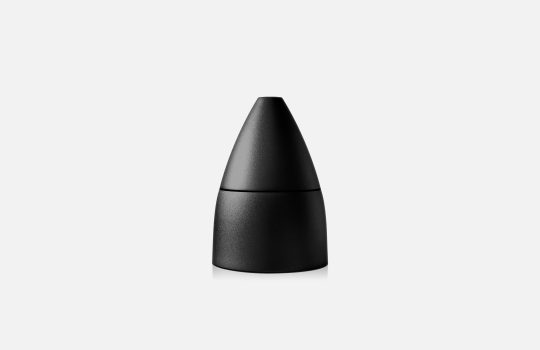
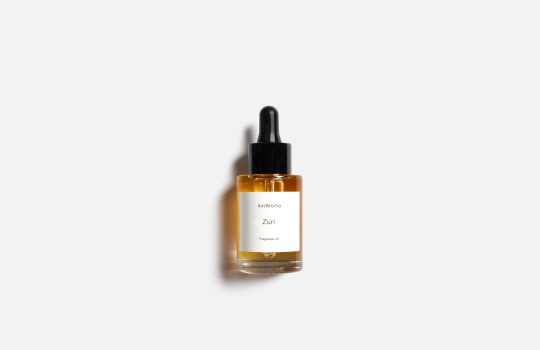
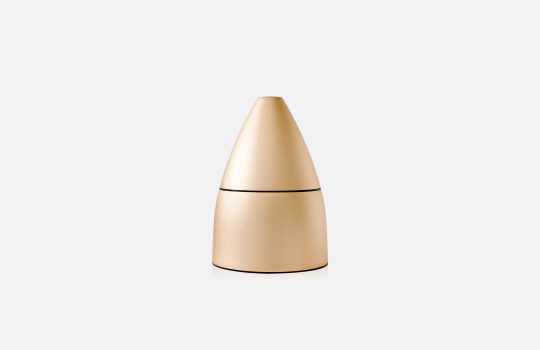
Heat-based burners are different again: warming oil changes it, and an open flame in a majlis with children moving through is a household hazard before it is a fragrance decision. Cold-air atomisation, which is what the units in this store use, works without water and without heat, so the standing-tank question does not arise. What it does do is put fine fragrance droplets into the air — so dose, ventilation and run time still matter exactly as above, and a cleaner mechanism is not a licence to run it harder. Servicing matters for the same reason, on the schedule in diffuser care. And because these oils contain no alcohol and no carrier oil they are more concentrated than the dropper bottles people are used to, as aroma oils versus essential oils explains.
The people who do react
Asthma and rhinitis
Allergy and asthma organisations describe strong scents as an irritant trigger rather than an allergen — the reaction is not an allergic response, but coughing, congestion, chest tightness or an asthma flare can follow all the same. That distinction has a practical consequence: there is no such thing as a hypoallergenic fragrance that solves it, and the only reliable controls are lower dose, ventilation, and unscented rooms.
Migraine and scent
Fragrance is one of the triggers migraine sufferers most consistently report. If someone in the house lives with migraine, treat their bedroom and workspace as unscented by default and let them decide otherwise.
Skin, and neat oil
Do not put diffuser oil on skin, in a bath or on bedding. It is formulated for air, at air-care concentrations, and undiluted fragrance concentrate on skin is a straightforward route to irritation or sensitisation. Wipe spills, wash hands after refilling, and keep bottles closed, upright, away from heat and out of reach of children.
Infants, pregnancy and pets
Here we stop, deliberately. We are a fragrance supplier, not a medical authority, and anyone answering these questions confidently in a blog post is overreaching. The practical part we will give: keep a nursery unscented, keep any room holding an animal ventilated and with a route out, and take a specific ingredient question to your doctor or vet rather than to a retailer. If you need the ingredient detail for that conversation, ask us and we will send what we hold.
What the survey numbers do and do not say
The most-cited work here is a set of nationally representative population surveys in the United States, United Kingdom, Australia and Sweden, in which roughly 28 to 35 per cent of adults reported adverse effects from fragranced products — most often respiratory irritation, mucosal symptoms, migraine, skin problems and asthma attacks. Read it carefully, though: that is self-reported sensitivity across whole populations and every product category from laundry powder to air freshener, not a clinical diagnosis rate and not a measurement of any diffuser.
There is no equivalent Saudi survey that we are aware of, so we will not localise the figure. What it justifies is a design principle rather than a scare: in any space where people cannot leave — an office, a clinic waiting room, a treatment room, a classroom — assume a meaningful minority would prefer less fragrance, and build in somewhere for them to sit. That principle carries into the commercial work we describe for salons and spas and for event halls.
The rules we actually give clients
Match the device to the room’s volume and not to the size of your ambition. Run scheduled bursts rather than continuously. Keep bedrooms, nurseries and prayer spaces light or unscented. Ventilate daily, whatever the outside temperature. Never use fragrance to mask a smell with a cause — damp, drains or solvent vapour need fixing, not covering. Keep oil off skin and out of water tanks. Where a candle is lit, treat it as an open flame and never leave it unattended; candles and room sprays are better tools than a stronger machine for a small space. And if a guest or an employee says the scent bothers them, switch it off rather than adjusting it. That last one costs nothing and settles the question.
What we will not claim
We will not tell you that our fragrances purify air, kill bacteria, relieve stress, improve sleep, aid concentration or carry any therapeutic benefit. We sell fragrance for how a space smells, and the honest boundary of the product is exactly there. If you want the ingredient or compliance documentation for a specific oil before putting it in a space you are responsible for, ask through contact and we will send what we have; our FAQ covers the technology and sampling questions that come up alongside this one.
Frequently asked questions
Are scent diffusers safe to use at home?
For most people, used sensibly, yes — and “sensibly” is doing the work in that sentence. Match the unit to the room volume, run scheduled bursts rather than continuously, ventilate, and keep bedrooms and nurseries light or unscented. A minority react to fragranced air regardless of product quality, so anyone in the household with asthma or migraine should have unscented rooms available.
Does “IFRA certified” mean a fragrance is safe for everyone?
No. It means the formulation complies with restrictions and maximum levels set for its product category, with skin sensitisation as the main endpoint. It says nothing about the concentration you create by running an over-sized unit in a small closed room, and it is not a statement that no one will react.
Is a cold-air diffuser safer than an ultrasonic water diffuser?
On one specific point, yes: with no water tank there is no standing water to disperse minerals or microorganisms, which published guidance on humidifiers identifies as a real concern. It is not safer in the sense of allowing a higher dose — room volume, output setting, run time and ventilation still decide what people breathe.
Can I put the fragrance oil on my skin, in a humidifier or in water?
No to all three. These oils are formulated for air diffusion and contain no alcohol or carrier oil, so they are more concentrated than dropper-bottle products; neat concentrate on skin risks irritation, and adding oil to a humidifier or water tank both damages the appliance and creates the tank-hygiene problem cold-air atomisation avoids.
What should we do if someone reacts to the scent?
Switch the unit off, open the room up, and leave it off in the spaces that person uses. Then treat it as a settled constraint rather than a preference to be negotiated: keep an unscented room in a home, and an unscented area in a public venue. If symptoms are more than transient irritation, that is a conversation for a doctor, not for a fragrance supplier.