
A mosque is one of the few buildings people enter with their guard down. They arrive from heat and traffic, remove their shoes, and kneel with their face close to the carpet. Scent is not decoration in that setting — it is part of whether the space feels cared for. Yet most mosque administrators asking about scenting get pointed at a product page and left to guess at the rest. This guide covers the three decisions that actually matter: which device, which fragrance, and when it runs.
Size the device by volume, not floor area
The most common sizing mistake in mosques is using square metres. A prayer hall is not a living room — ceilings are high, often domed, and the air above head height is still air the device has to fill. A 100 m² hall with a 3 m ceiling is 300 m³. The same hall under a 6 m dome is 600 m³, and needs roughly twice the output.
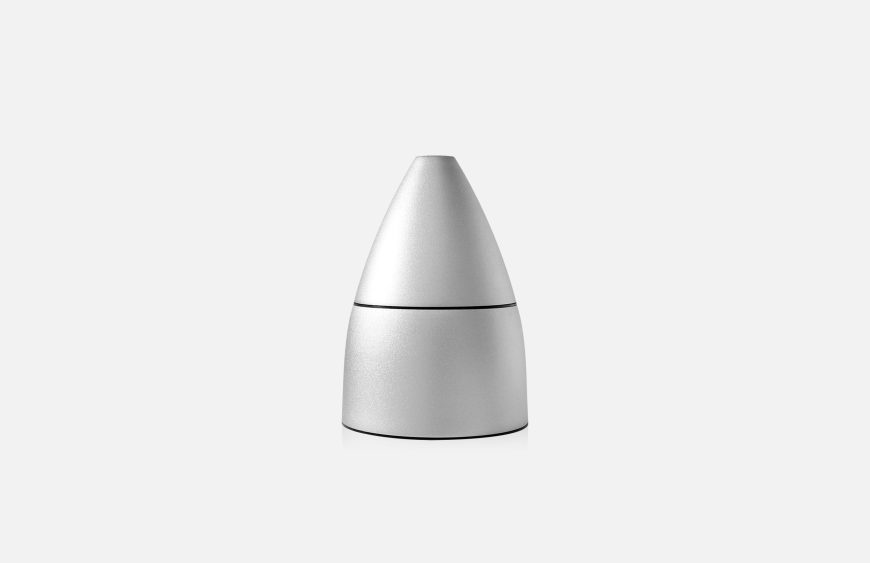
Measure length × width × average height and work from that number. The Aromax covers up to 250 m³, which suits a typical neighbourhood prayer hall. Larger congregational mosques move up to the AroSlim at 1,000 m³.
When to use two devices instead of one stronger setting
If the hall is divided — a separate women’s section, a mezzanine, an entrance lobby with its own doors — treat each as its own volume. Two devices placed properly will always outperform one device turned up, because scent follows airflow rather than spreading evenly on its own. Turning a single unit to maximum produces a strong pocket near the device and nothing at the back wall.
Choosing a fragrance that does not distract
The brief here is unusual: the fragrance should be noticed on entry and forgotten during prayer. Anything that keeps pulling attention back to itself is working against the room.
That rules out most sweet and heavy profiles. Warm woods, light resins, clean musk and soft amber sit well in prayer halls because they read as calm rather than as perfume. Traditional oud and bakhoor profiles suit the space culturally, but keep the intensity lower than you would at home — a hall full of people concentrates scent considerably, and a setting that smells right in an empty mosque can be overwhelming at Jumu’ah. Browse the fragrance range with that restraint in mind.
Carpet, staining and alcohol
Two practical concerns come up constantly, and they have the same answer.
Cold-air diffusion breaks fragrance oil into a dry micro-mist that stays suspended in the air. It does not condense onto surfaces, so it does not stain carpet. Staining almost always comes from direct hand-spraying onto fabric, or from water-and-steam devices that deposit moisture. If your current problem is marked carpet, the device type is the cause.
The same mechanism answers the alcohol question: cold-air diffusion uses the fragrance oil itself, with no alcohol carrier and no water. Whether alcohol-based perfume is permissible in a mosque is a religious question for a scholar, not for a supplier — but if avoiding it is your requirement, oil diffusion meets it by design.
Schedule it around prayer, not around the clock
Running a diffuser continuously is the fastest way to waste oil and dull the effect. Smell fatigues quickly: a congregation that arrives into a constantly scented hall stops registering the scent within minutes, while the device keeps consuming.
Run it in short bursts before each prayer instead — roughly fifteen to twenty minutes ahead of the adhan is enough for the hall to be evenly scented as people arrive. Between prayers, leave it off. For Jumu’ah, start earlier and expect the fuller hall to need a slightly higher setting. An interior room spray is useful in entrance areas and shoe racks, where the issue is odour rather than ambience.
What it costs to run
Consumption depends on intensity setting and how many hours the device actually runs, which is exactly why scheduling matters more than device price over a year. A mosque running short pre-prayer cycles uses a fraction of the oil of one running continuously, from the same unit.
On the budget side, what scent marketing costs in Saudi Arabia gives the device price and the monthly fragrance figure in Saudi Riyal, and our sizing guide covers the volume calculation in more detail.
Scenting a commercial space?
Tell us your floor area and the type of venue, and one of our scent consultants will come back to you within one business day with a system recommendation, fragrance options and the monthly running cost — in writing, with no obligation.
Frequently asked questions
Will a diffuser stain the mosque carpet?
Cold-air diffusers do not stain carpet. They convert oil into a dry suspended mist that does not settle on surfaces. Staining comes from direct spraying onto fabric or from water-based steam devices.
How many devices does a neighbourhood mosque need?
A prayer hall up to about 250 m³ is served by a single device placed near the main air intake. Above that volume, or where the hall is split into separate sections, use two devices rather than raising the intensity of one.
Does the fragrance contain alcohol?
Cold-air diffusion runs on the fragrance oil directly, with no alcohol carrier and no water added. The religious ruling on alcohol-based perfume is a matter for a scholar; the practical point is that oil diffusion does not involve it.
When should the device run?
Fifteen to twenty minutes before each prayer, then off. Continuous operation wastes oil and the congregation stops noticing the scent anyway. Start earlier before Jumu’ah and raise the setting slightly for the larger attendance.
